❋
FROM RESEARCH TO RECOVERY
The Research Journey
Step 1
Step 2
Identify the Need
Design the Program
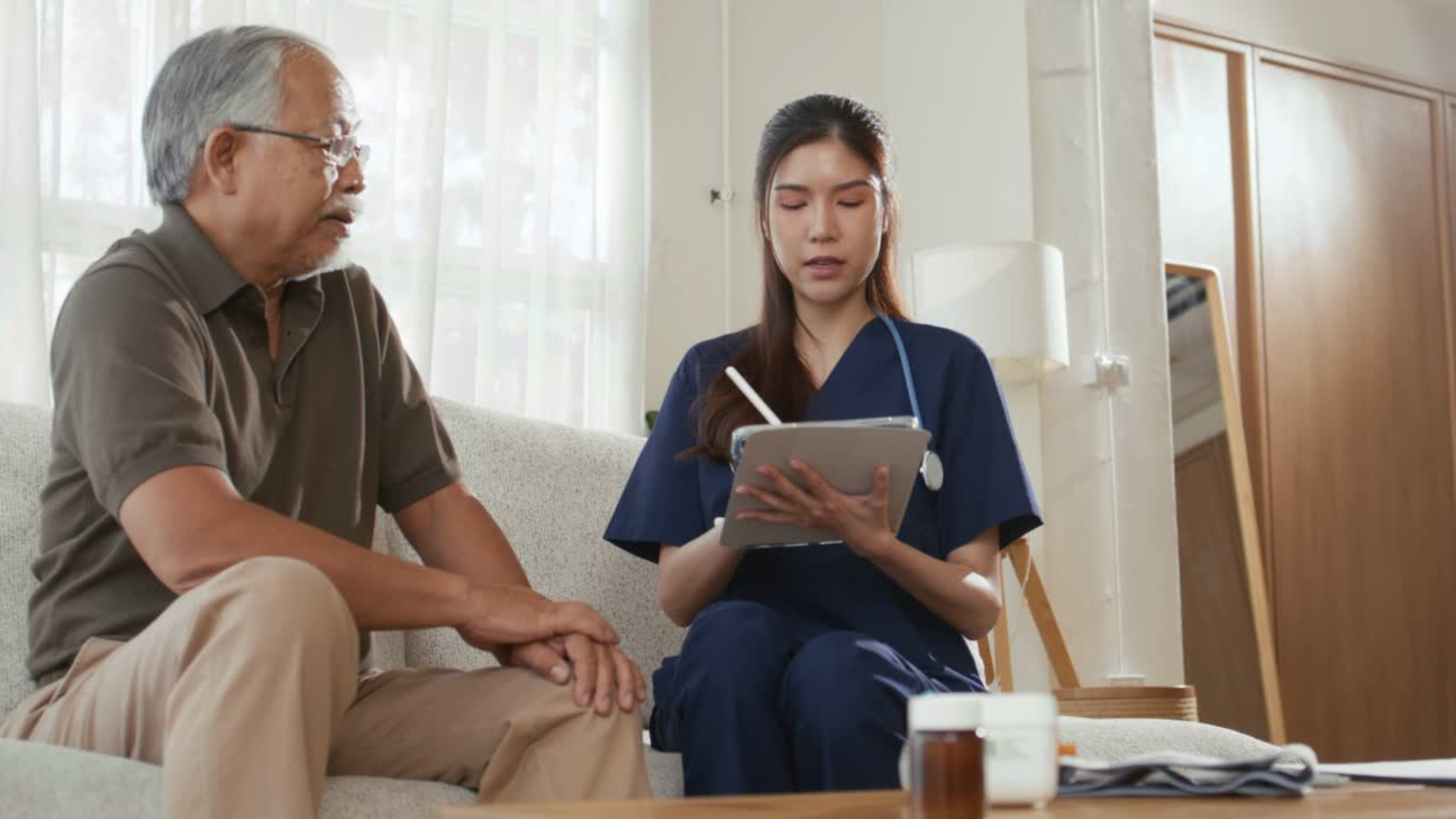
Many stroke survivours continue to experience difficulties using their arm after discharge from formal rehab services. Researchers recongised the need for a more intensive and acessible upper-limb therapy option.
Step 3
The Bootcamp was designed to provide high intensity, evidence based rehabilitation in a supportive group environment.
Step 4

Deliver the Program
Measure the IMPACT
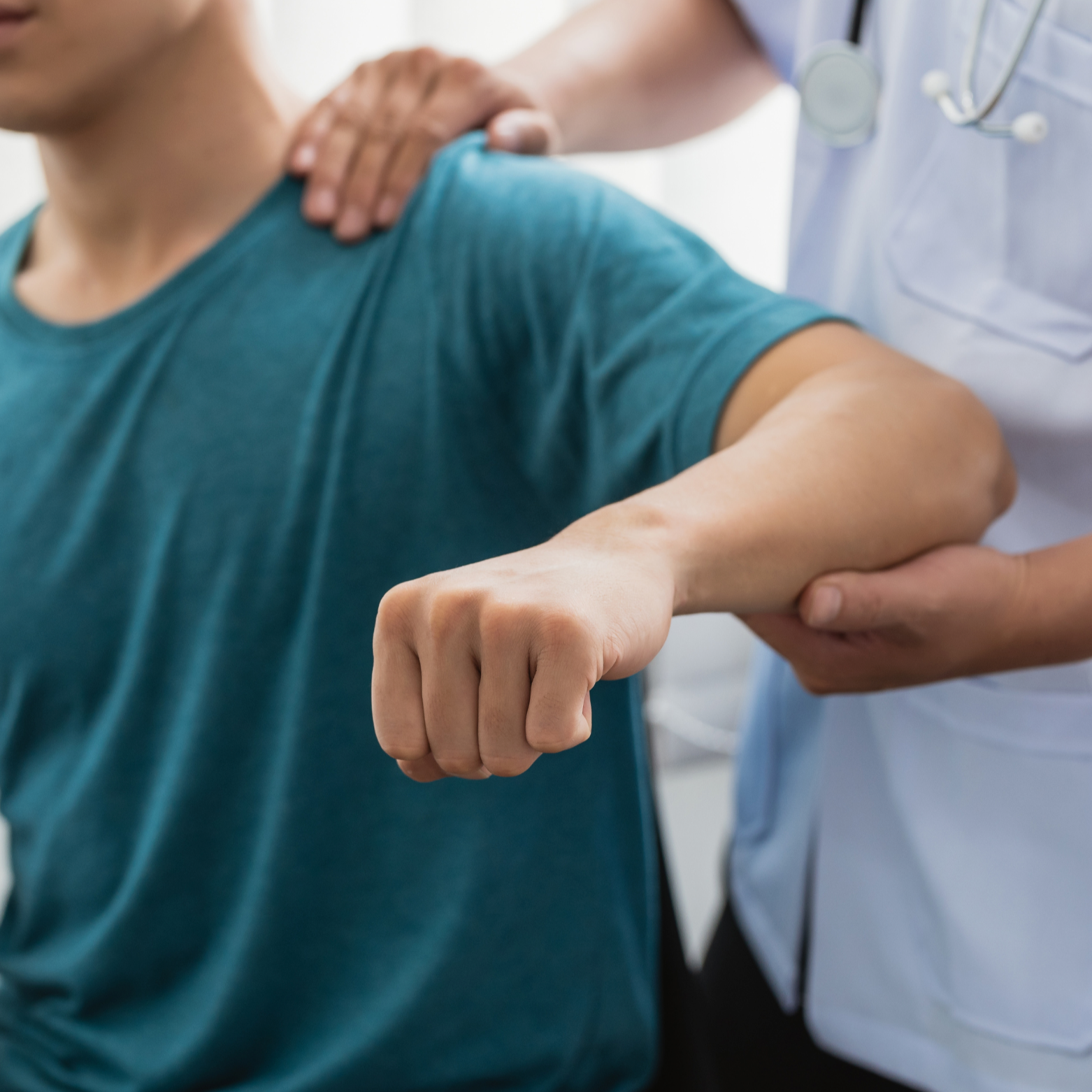
Participants in Adelaide started to attend a 5-week program, completing up to 90 hours of upper limb rehabilitation. Therapy focused on improving arm and hand function through meaningful, real-world activities.
Researchers assessed changes in arm function, quality of life and confidence following participation in the program.
Step 5
Step 6

The results demonstrated that the Boot Camp was safe, feasible, and led to meaningful improvements in upper-limb function. These findings have been published in international rehabilitation journals.
The success of the research has supported the delivery of Boot Camp programs across metropolitan and regional locations. This helps make intensive stroke rehabilitation available to more people, closer to home.
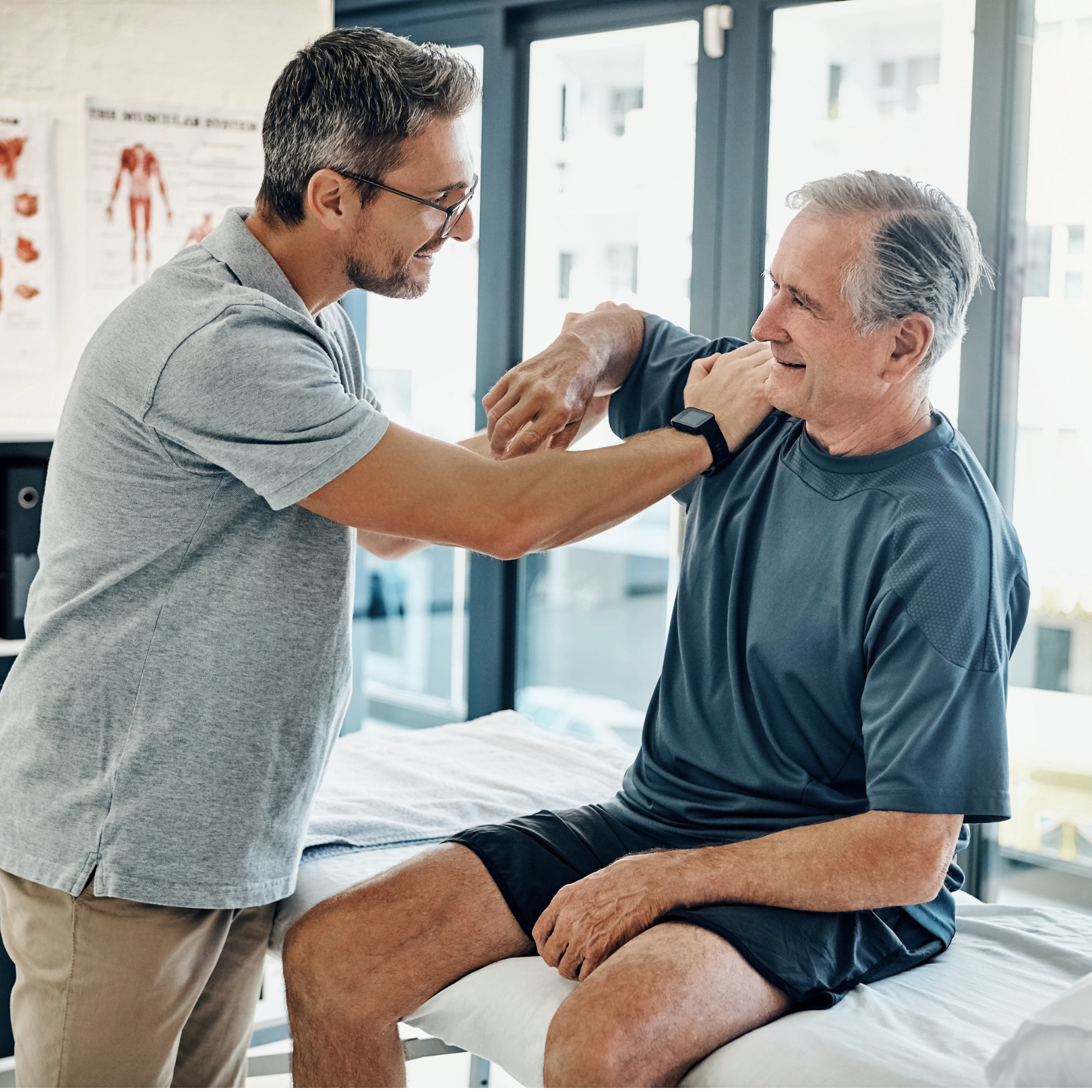
Expand through regional programs
Publish
Boot Camp: A Randomised Cross-Over Trial of Intensive Upper-Limb Rehabilitation After Chronic Stroke

A 5-week Upper Limb Boot Camp was safe, practical to run, and led to significant improvements in arm use and daily activities. People of different ages, recovery stages, and levels of arm impairment all benefited from the program. These findings supported the use of Boot Camp programs as an effective rehabilitation option for people living with stroke.